
Five Deadly Spins of 1993 – The Peak of the First Wave
This is the fourth installment in my year-by-year journey through death metal, exploring the genre's evolution from 1990 to 2026. As always, these rankings reflect personal taste above all else, but the deeper I travel into death metal's golden era, the harder it becomes to separate personal favorites from undisputed classics.
By 1993, death metal had reached a remarkable level of maturity. The genre's foundations were firmly established, regional scenes had developed distinct identities, and many of its leading bands were operating at the height of their powers. Technicality, atmosphere, brutality, and songwriting all seemed to reach new heights at the same time, resulting in one of the richest and most competitive years the genre has ever seen.
Looking back more than three decades later, it's difficult not to view 1993 as one of the defining years of death metal's first great era.
These are my Five Deadly Spins of 1993.
1. MORBID ANGEL – Covenant
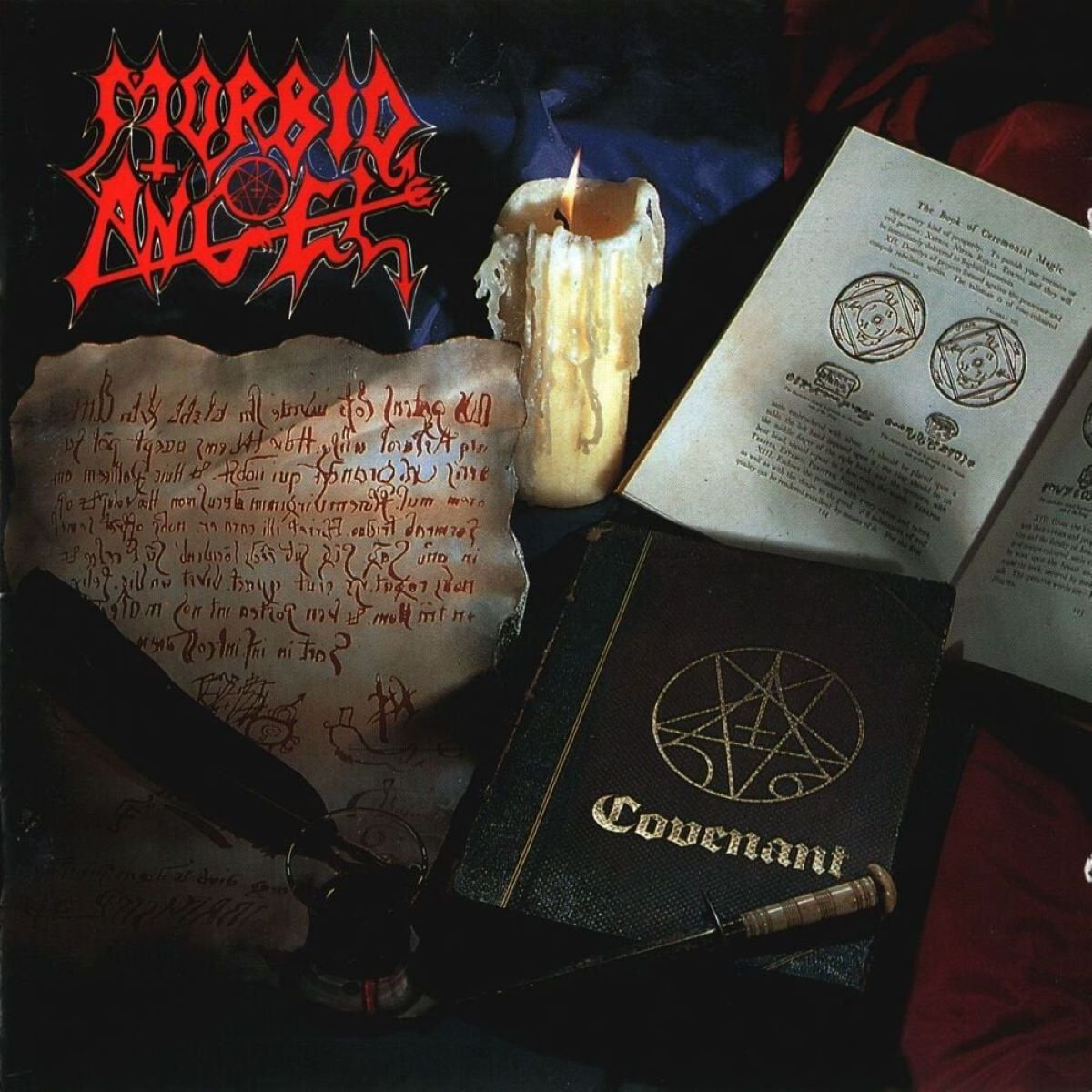
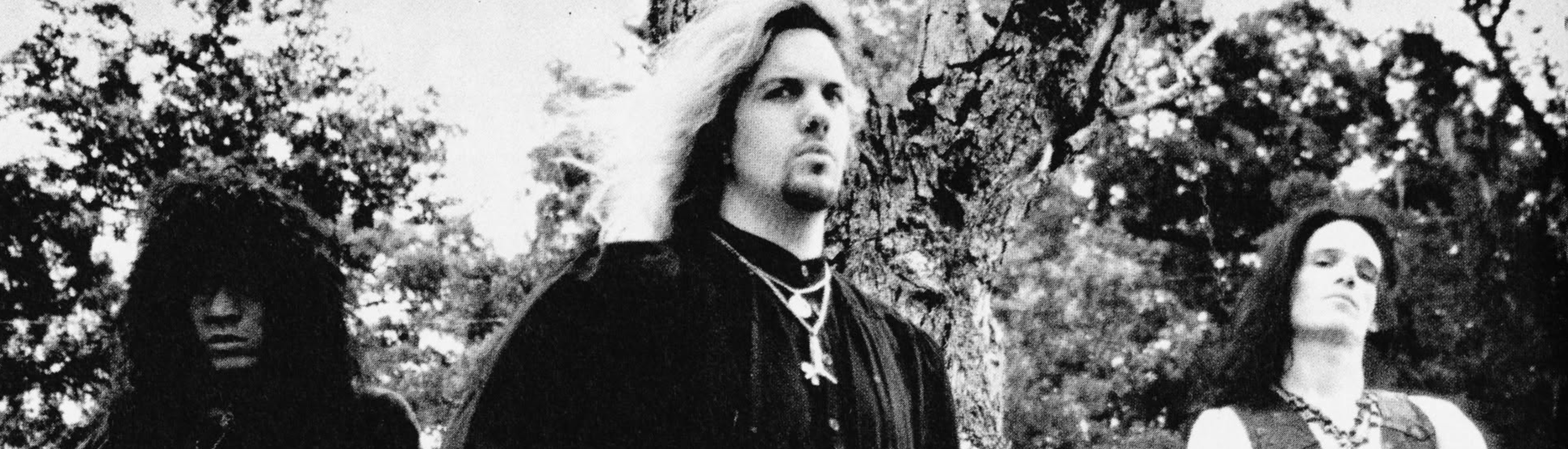
When discussing the defining death metal albums of the early 1990s, Covenant is impossible to ignore. Not only did it represent a creative high point for Morbid Angel, it also helped bring death metal to a wider audience through a major-label release and unprecedented media exposure for the genre. A significant part of the album's appeal lies in its production. The band enlisted renowned producer Flemming Rasmussen, whose work with Metallica had already earned him legendary status. The result was a cleaner, more powerful sound than many contemporary death metal releases, allowing the songwriting and musicianship to shine without sacrificing heaviness. Recorded after the departure of guitarist Richard Brunelle, Covenant saw Morbid Angel operating as a trio consisting of David Vincent (vocals, bass), Trey Azagthoth (guitars, keyboards), and Pete Sandoval (drums). Rather than exposing any weaknesses, the streamlined lineup delivered one of the band's most focused and memorable records. For me, Covenant remains one of the essential death metal albums of the decade and earns a clear spot at the top of this year's list.
Rating: 9/10
2. GORGUTS – The Erosion of Sanity
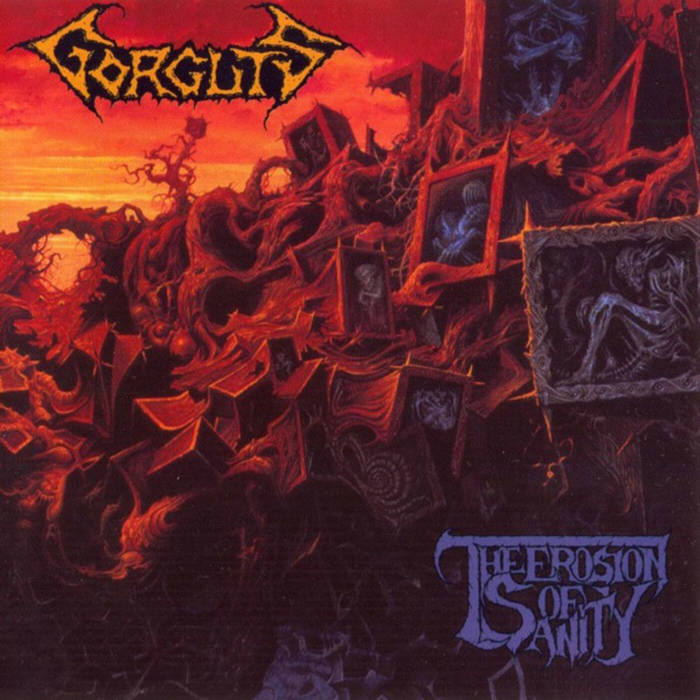
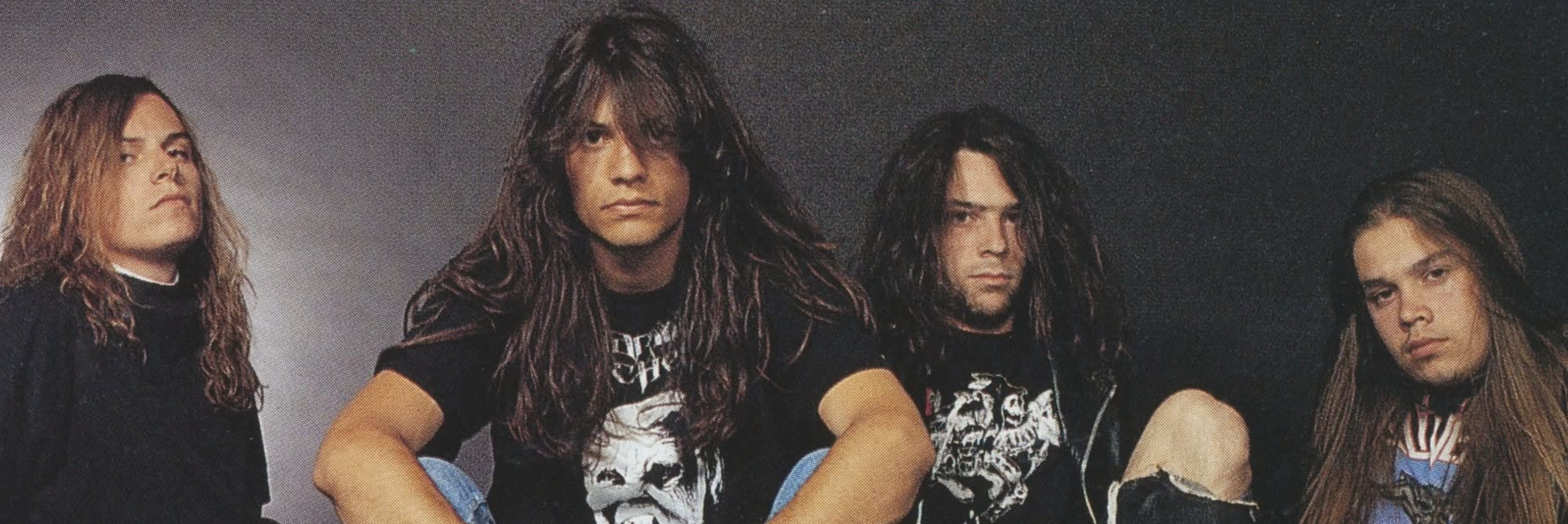
While Considered Dead established Gorguts as a formidable force in technical death metal, The Erosion of Sanity pushed the band's songwriting into considerably more adventurous territory. The riffs became more angular, the song structures more challenging, and the overall atmosphere darker and more unpredictable. Listening to it today, you can already hear the seeds of the experimentation that would later culminate in the groundbreaking Obscura. Recorded at Morrisound and produced by Scott Burns alongside the band, the album captured Gorguts at a fascinating point in their evolution. The lineup remained unchanged from the debut, featuring Luc Lemay (vocals, guitars), Sylvain Marcoux (guitars), Eric Giguère (bass), and Stéphane Provencher (drums). In my opinion, The Erosion of Sanity remains one of the most underrated technical death metal albums of the entire decade. It may lack the fame of some of its contemporaries, but musically it stands shoulder to shoulder with the very best.
Rating: 9/10
3. MORTA SKULD – Dying Remains
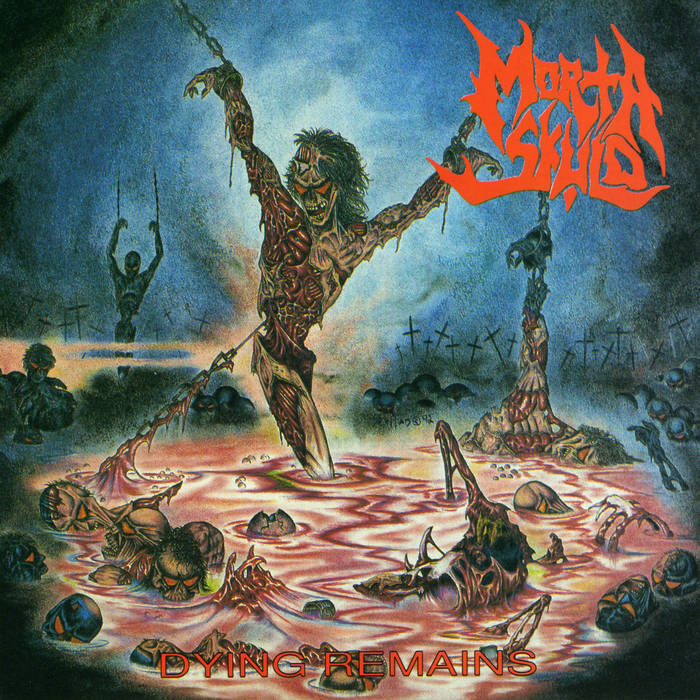
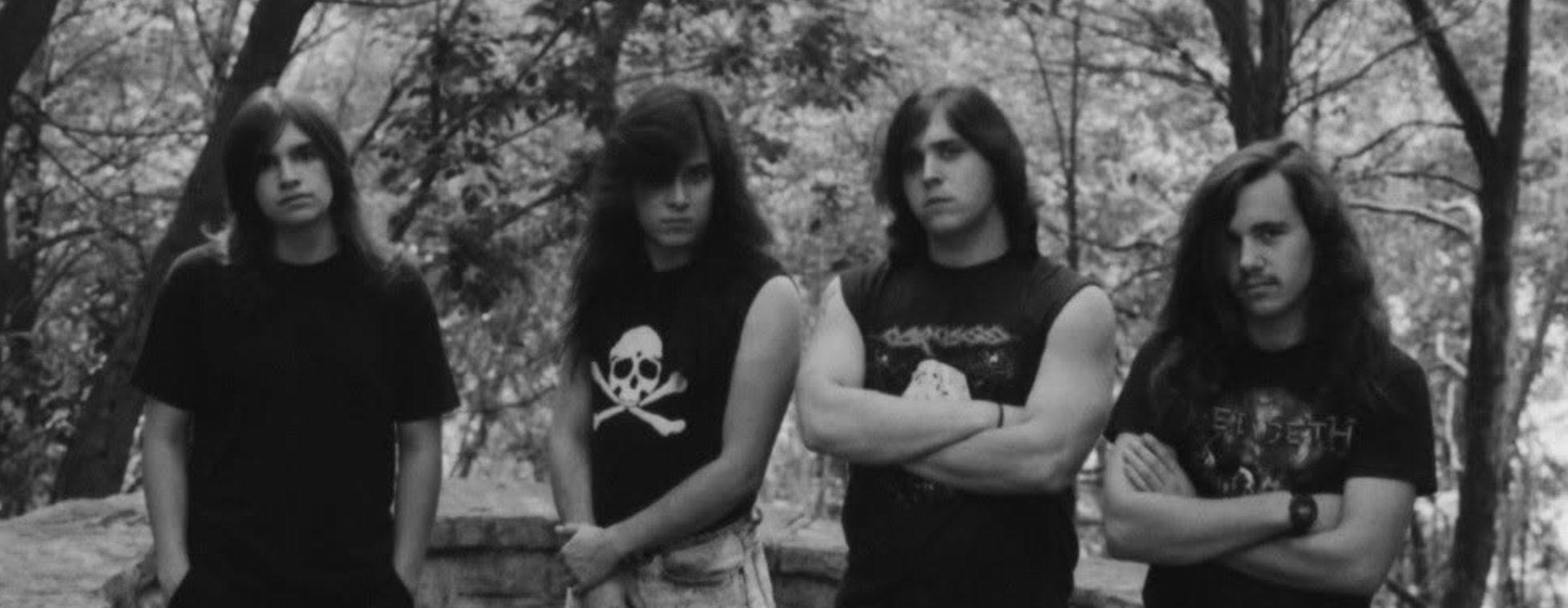
One of the hidden gems of the American death metal underground, Dying Remains introduced Morta Skuld as a band capable of balancing aggression, atmosphere, and memorable songwriting. While many of their peers focused exclusively on speed or technicality, Morta Skuld approached death metal from a slightly different angle. Doom-influenced heaviness, melodic guitar passages, and longer, evolving compositions gave the album a distinctive character without sacrificing brutality. The result is a record that feels darker and more atmospheric than many of the era's better-known releases, while still delivering plenty of crushing riffs and classic death metal intensity. Recorded at Cornerstone Recording Studios in Milwaukee and produced by Paul Kneevers, the album featured Dave Gregor (vocals, guitar), Jason O'Connell (guitar), Jason Hellman (bass), and Kent Truckenbrod (drums). It's a record that rarely appears on "best of" lists, but one that rewards repeated listening.
Rating: 8.5/10
4. DEATH – Individual Thought Patterns
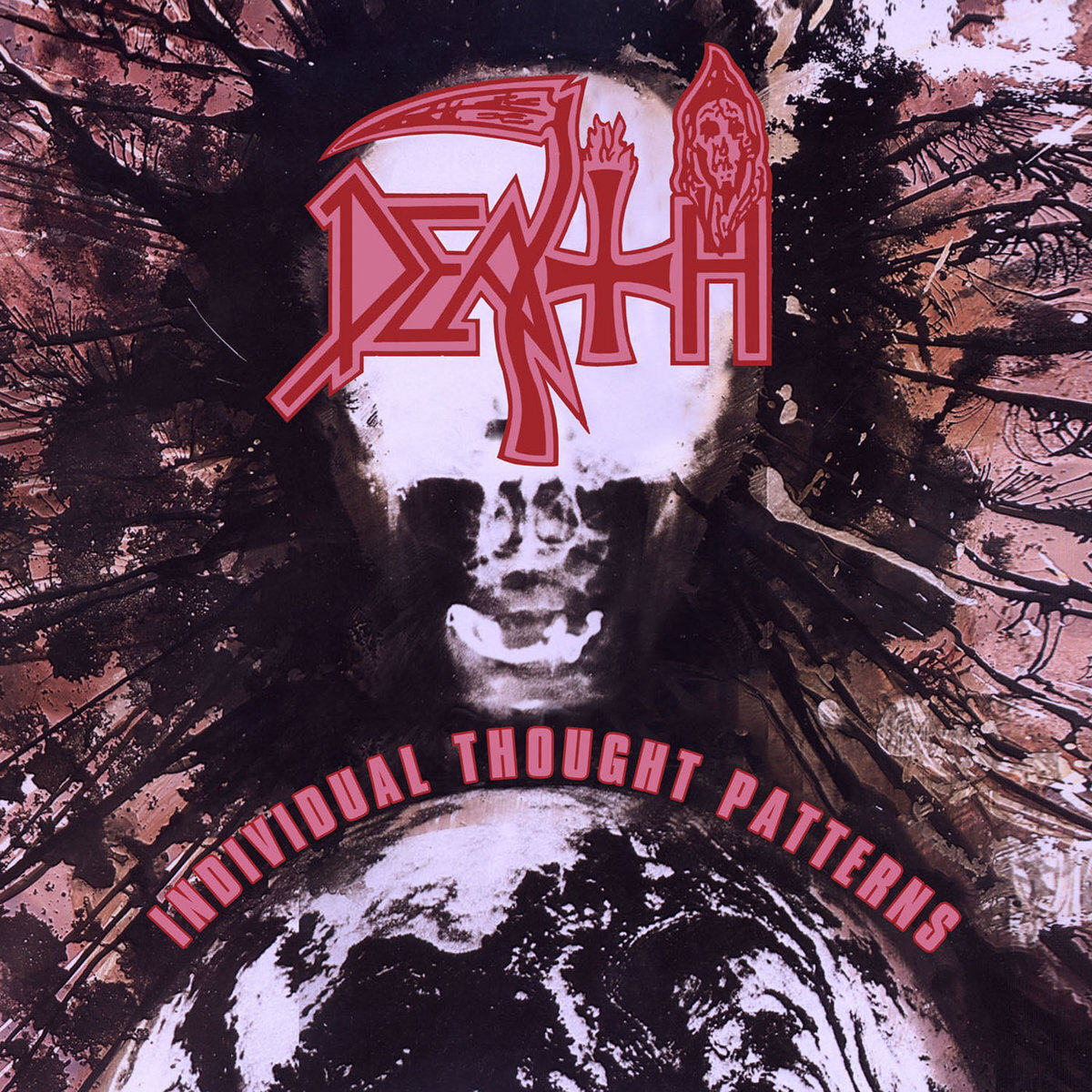
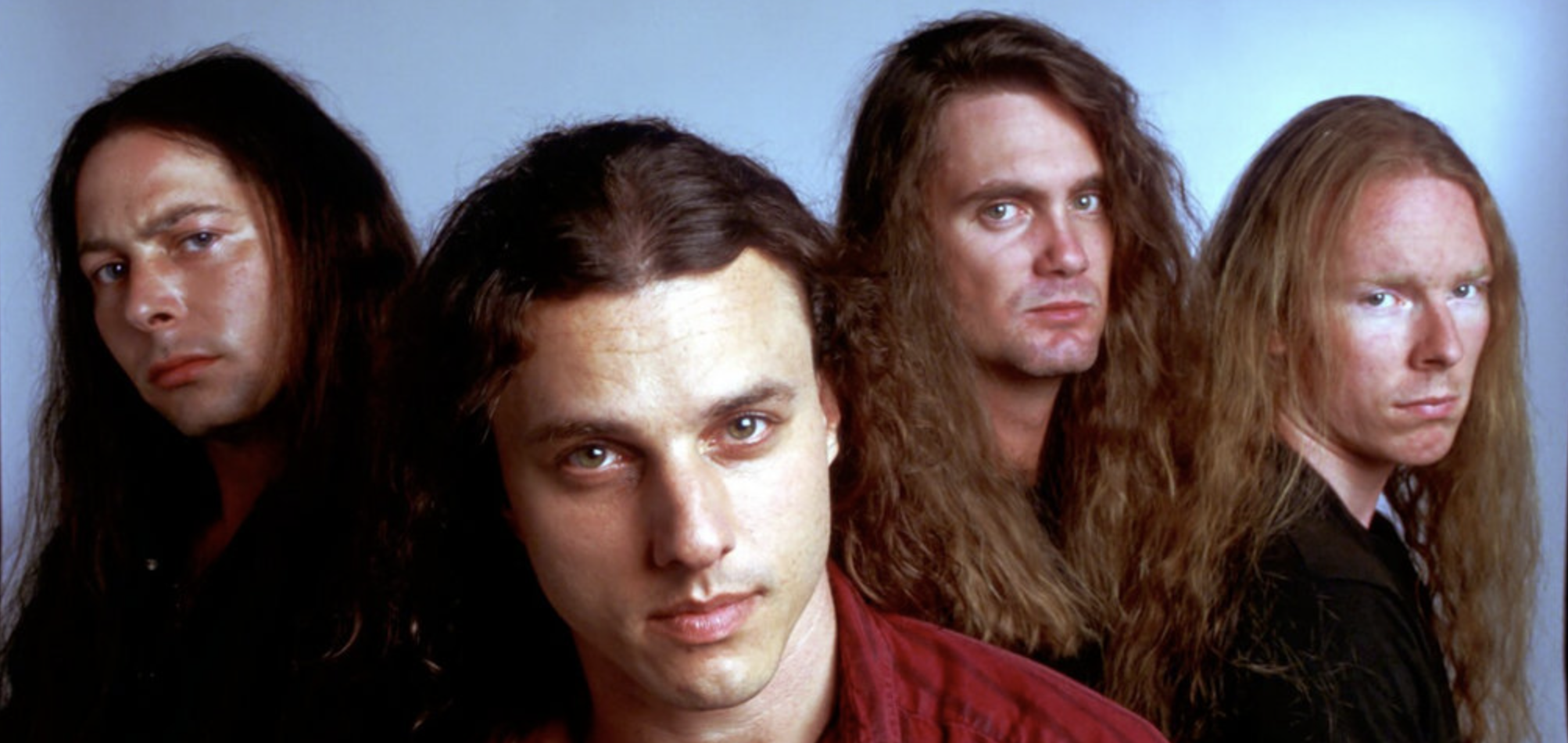
By the time Individual Thought Patterns arrived in 1993, Chuck Schuldiner had fully embraced the progressive and technical direction introduced on Human. The result was one of the most sophisticated and ambitious albums in the Death catalogue. The musicianship is astonishing throughout. The songwriting became even more intricate, the arrangements more layered, and Steve DiGiorgio's fretless bass added a unique dimension to the band's sound. New drummer Gene Hoglan also made an immediate impact, delivering a performance that remains one of the album's defining strengths. Featuring Chuck Schuldiner (vocals, guitars), Gene Hoglan (drums), Steve DiGiorgio (bass), and guest lead guitarist Andy LaRocque, the album showcases an extraordinary level of talent from start to finish. While I still consider Human slightly more influential and focused, Individual Thought Patterns stands as one of Death's most technically impressive achievements.
Rating: 8.5/10
5. DISINCARNATE – Dreams of the Carrion Kind
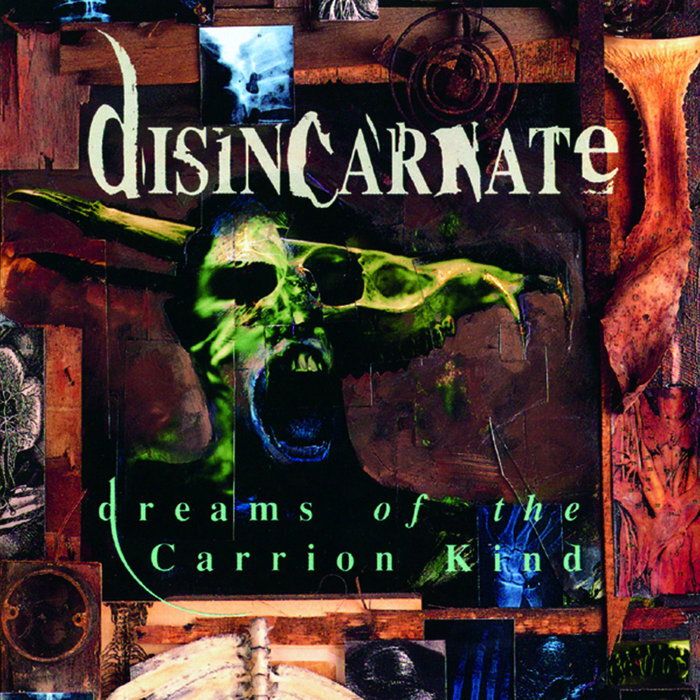
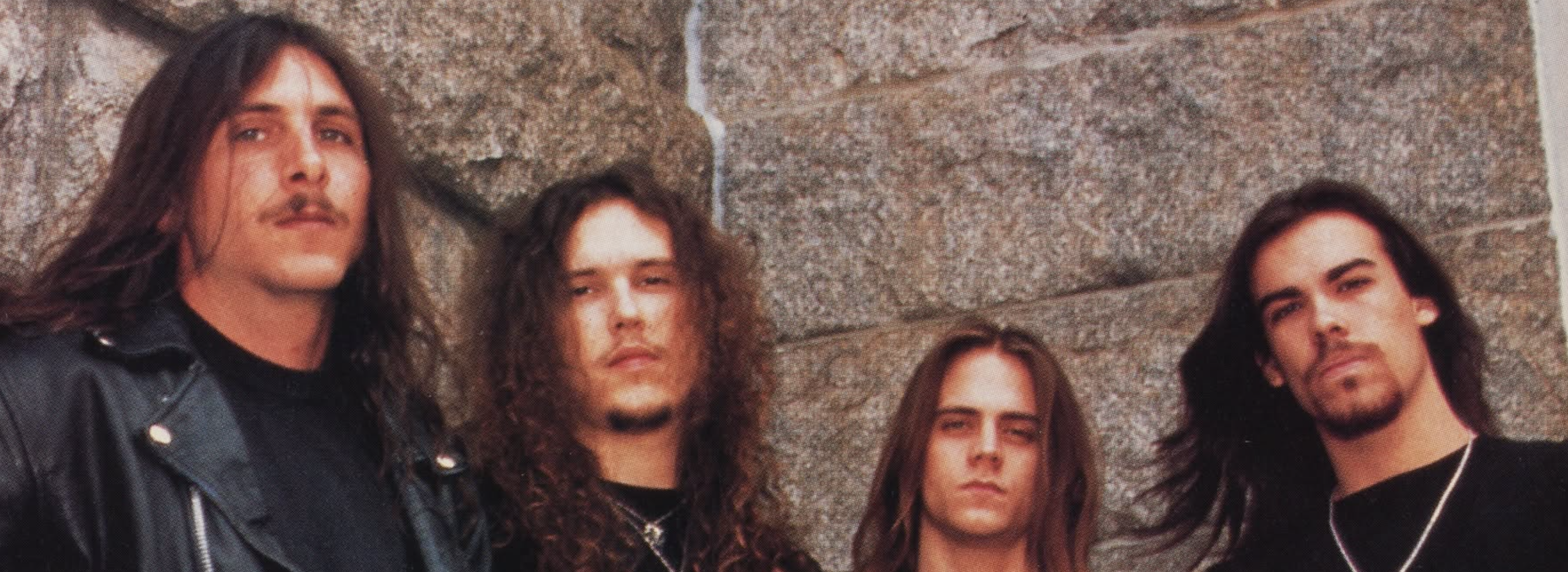
This is probably the least obvious choice on my list, but it's also one of the albums I return to most often. Dreams of the Carrion Kind remains the only full-length release from Disincarnate, yet it left a lasting impression on technical death metal. Led by guitarist and songwriter James Murphy, whose résumé already included stints with Death and Obituary, the album is packed with memorable riffs, tasteful melodies, and some of the finest lead guitar work of the era. Unlike many technical death metal releases that prioritize complexity above all else, Disincarnate never lose sight of songwriting. The album manages to be intricate without becoming sterile, and aggressive without sacrificing atmosphere. Despite never receiving the same level of recognition as many of its contemporaries, Dreams of the Carrion Kind has developed well-deserved cult status over the years. For me, it's one of the finest technical death metal albums of the early '90s.
Rating: 8.5/10
Honorable Mentions
Leaving albums off the list gets harder with every passing year, and 1993 is no exception. Several classics narrowly missed the cut, including:
- Suffocation – Breeding the Spawn
- Incantation – Mortal Throne of Nazarene
- Cannibal Corpse – Hammer Smashed Face EP
- Deceased – The Blueprints for Madness
- Amorphis – The Karelian Isthmus
1993 felt like the moment when death metal's first generation reached full maturity. The pioneers were refining their craft, new bands were challenging established conventions, and the genre seemed capable of evolving in every possible direction at once. For fans of classic death metal, it remains one of the most rewarding years to revisit and one of the strongest chapters of the genre's golden age.
<<< 1992 1994 >>>